


-

Add: HeBei ShengShi HongBang Cellulose Technology CO.,LTD.
-

Email
13180486930@163.com -

CONTACT US
+86 13180486930

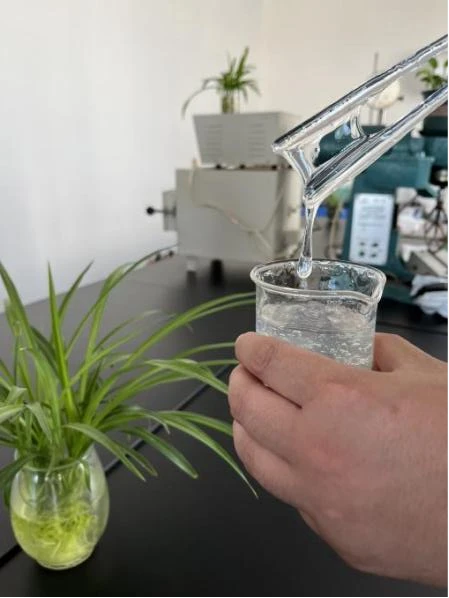


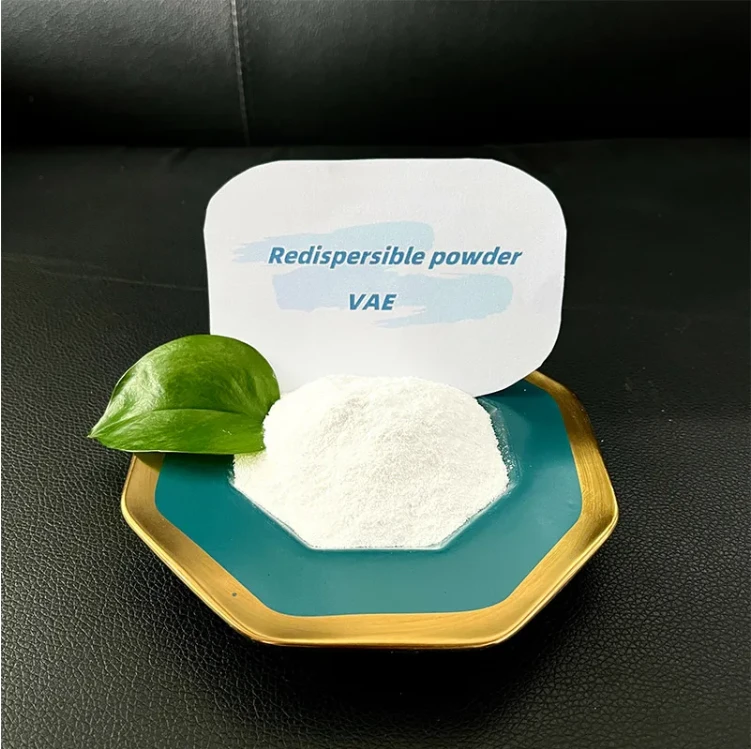
Redispersible powder VAE: What’s Really Driving Performance on Site If you’ve been watching the dry-mix space, you know the quiet hero is Redispersible Emulsion Powder . In fact, the right VAE grade can make an average tile adhesive feel “premium” overnight. I’ve seen crews swear by specific batches because the open time and wet tack just clicked. The product I’m looking at today comes from HeBei ShengShi HongBang Cellulose Technology CO., LTD (Room 1904, Building B, Wanda Office Building, JiaoYu Road, Xinji City, Hebei Province) — a mouthful, yes, but they’ve been turning heads with consistent lot-to-lot behavior. Industry Trends (and what pros really care about) Market-wise, we’re seeing two macro trends: low-VOC formulations and performance under climate stress (hot/dry curing and freeze–thaw). Honestly, moisture management is still the biggest pain point. Many customers say they’ll trade a touch of workability for better early strength—especially on fast-track jobs. That’s where Redispersible Emulsion Powder grades tuned for higher early cohesion, controlled MFFT, and balanced Tg keep showing up in specs from adhesives to ETICS base coats. Technical Snapshot (Product Name: Redispersible powder VAE) Parameter Typical Value (≈ / real-world use may vary) Base polymer VAE (vinyl acetate–ethylene) Protective colloid PVA Glass transition Tg ≈ −5 to +15 °C (grade-dependent) MFFT ≈ 0–10 °C Bulk density ≈ 0.45–0.60 g/cm³ Ash content (1000 °C) ≈ 10–14% Particle size (D50) ≈ 80–120 μm pH (redispersion) ≈ 6–8 Shelf life 12 months dry, sealed How it’s made (short version) Materials: VAE latex + PVA stabilizer, then spray-drying to a free-flowing powder. Method: controlled atomization, inlet/outlet temps to protect polymer integrity, anti-caking treatment. Testing standards I’d expect to see: EN 12004/1348 (tile adhesives tensile adhesion), ASTM C109/C348 (compressive/flexural), ETAG 004/EAD 040083 (ETICS), ISO 15148 (water absorption). Service life? Depends on system—ETICS base coats often target 20–25 years; interior skim coats 10–15, assuming proper formulation and exposure class. Where it’s used (and what changes on site) Tile adhesives (C1/C2): higher tensile adhesion after heat/water/aging; better slip resistance. Skim coats & repair mortars: improved flexibility and crack resistance; nicer trowel feel. Self-leveling underlayments: cohesive flow, reduced segregation; early walk-on strength. ETICS base coats: impact resistance and bond to EPS/XPS/mineral wool. Waterproofing slurries: enhanced adhesion to mineral substrates. Case notes: a coastal ETICS project reported ≈+35% impact resistance vs. control; a hot-climate warehouse SLC mix saw walk-on times trimmed by ~1 hour. Feedback is candid: “workability is forgiving, but don’t skimp on curing when it’s windy,” one applicator told me. Fair point. Customization and Compliance You can request hydrophobic grades, low-foam variants, or tailored Tg/MFFT for cold-start jobs. Packaging often 25 kg valve bags with liners; SDS available. Certifications typically include ISO 9001 and sometimes ISO 14001/45001; low-VOC and REACH compliance are increasingly standard. For sensitive specs, ask for EN 12004 system data and freeze–thaw cycling results—don’t just trust a glossy TDS. Vendor comparison (quick, honest take) Vendor Customization Lead time Certs Tech support HeBei ShengShi HongBang Tg/MFFT tuning; hydrophobic; defoamed ≈ 2–4 weeks ISO 9001/14001 (ask for copies) Formulation guidance; on-site trials (by request) Vendor A (global) Broad portfolio; premium pricing ≈ 3–6 weeks ISO; VOC labels Extensive lab network Vendor B (regional) Limited grades; sharp pricing ≈ 1–3 weeks ISO 9001 Basic TDS/SDS only Practical tips Pre-mix RDP with fines before water to avoid fisheyes; watch local humidity. Verify adhesion after water immersion (EN 1348) and heat aging—don’t skip it. Aim for stable polymer/cement ratio; small overdoses can alter open time. Bottom line: Redispersible Emulsion Powder is not a commodity in practice. Formulation fit beats spec-sheet promises, every time. And yes, decent field trials beat lab hero numbers. References EN 12004-2: Adhesives for tiles—Requirements, evaluation of conformity, classification. EN 1348: Adhesives for tiles—Determination of tensile adhesion strength. ETAG 004 / EAD 040083-00-0404: ETICS with rendering—Assessment and verification of constancy of performance. ASTM C109/C109M: Compressive strength of hydraulic cement mortars. ISO 15148: Hygrothermal performance of building materials—Moisture transfer properties.
- 40000tons

Production
- 20+years

Experience
- 5000+㎡

Acreage

-

Hypromellose, auch bekannt als HPMC, ist ein vielseitiger Zusatzstoff, der häufig in der Pharma-, Lebensmittel- und Bauindustrie verwendet wird. Insbesondere HPMC mit einer Viskosität von 6 cps (Centipoise) hat spezifische Eigenschaften , die seine Verwendung in verschiedenen Produkten begünstigen. In der pharmazeutischen Industrie wird HPMC 6 cps oft als Vernetzungsmittel in Tabletten und Kapseln eingesetzt. Die spezielle Viskosität sorgt dafür, dass die Tabletten eine stabile Form beibehalten und die Freisetzung des Wirkstoffs kontrolliert erfolgt. Dies ist besonders wichtig, um eine konstante Bioverfügbarkeit der Medikamente zu gewährleisten, was letztendlich die therapeutische Wirksamkeit steigert. Als Expertin auf diesem Gebiet kann ich bestätigen, dass die sichere Anwendung von HPMC in Medikamenten sicherstellt, dass kein unerwünschter Einfluss auf den menschlichen Körper besteht, was auf umfangreiche Testverfahren zurückzuführen ist, die die Verträglichkeit und Unbedenklichkeit bestätigen. Im Lebensmittelsektor fungiert HPMC 6 cps als exzellenter Verdicker und Emulgator. Ideal für die Herstellung von fettarmen Saucen, Dressings und Desserts, trägt es zur Verbesserung der Textur und Stabilität bei, ohne den Geschmack zu beeinträchtigen. Basierend auf meiner Erfahrung in der Lebensmitteltechnologie kann HPMC verwendet werden, um die strukturelle Integrität von Lebensmitteln in verarbeiteten Produkten aufrechtzuerhalten. Es erhöht die Konsistenz von Produkten, was gleichzeitig die Verbrauchererfahrung fördert. Zudem ist es frei von tierischen Produkten und eignet sich somit hervorragend für vegetarische und vegane Lebensmittel. HPMC 6 cps Darüber hinaus ist HPMC 6 cps ein wertvoller Bestandteil in der Bauindustrie. Hier wird es als Bindemittel in Fliesenklebern und Mörteln verwendet. Die spezielle Viskosität von 6 cps sorgt dafür, dass die Mischung ausreichend fließfähig und dennoch stabil genug ist, um eine lange Bearbeitungszeit zu gewährleisten. Dies erleichtert den Bauarbeitern die Anwendung und verbessert die Haftung an verschiedenen Oberflächen. Durch die Anwendung von HPMC wird auch die Rissbildung in Trocknungsphasen reduziert, ein Bedürfnis, das jeder erfahrene Baufachmann bestätigen kann. Ein weiterer bedeutender Nutzen von HPMC 6 cps liegt in seiner Beständigkeit gegenüber verschiedenen pH-Bereichen und Temperaturen, was seine Verwendbarkeit in verschiedenen klimatischen Bedingungen unterstreicht. Diese Eigenschaft hebt seine Verlässlichkeit hervor und schafft Vertrauen in seine multiplen Anwendungen. Zusammenfassend lässt sich sagen, dass HPMC 6 cps aufgrund seiner Vielseitigkeit in verschiedenen Industriezweigen an Popularität gewonnen hat. Seine Fähigkeit, als Bindemittel, Verdicker und stabilisierender Stoff in unterschiedlichen Prozessen zu fungieren, macht ihn zu einer unverzichtbaren Ressource. Die Qualität und Reinheit von HPMC, die durch strenge Standards gesichert werden, verstärken sein Ansehen unter Experten und stellen seine Beständigkeit als zuverlässiger industrieller Zusatzstoff sicher. Die fortwährende Forschung in Bezug auf HPMC 6 cps könnte seine Anwendungen in zukunftsweisenden Technologien erweitern, was es zu einem spannenden Thema für Innovationsforscher macht. Vertrauen Sie auf die Expertise und Erfahrung mit HPMC, einem äußerst anpassungsfähigen und sicheren Inhaltsstoff, der in den nächsten Jahren wohl noch an Bedeutung gewinnen wird.
-
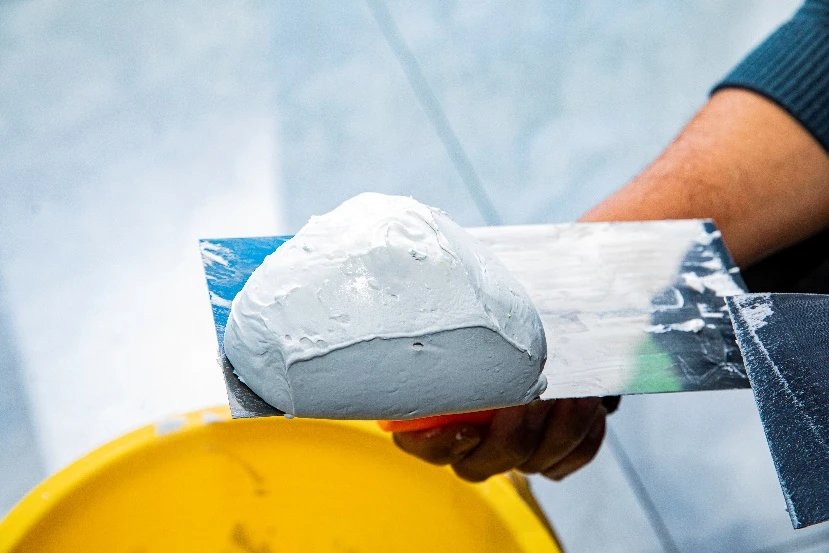
Hydroxypropyl methylcellulose (HPMC), particularly the K100LV grade, is an essential polymer frequently used in a variety of industrial and pharmaceutical applications due to its unique chemical properties and versatility. This analysis delves into the specific functionalities, practical experiences, and benefits of utilizing HPMC K100LV, providing an expert insight into its applications and impact. HPMC K100LV is a low-viscosity variant of the widely used hydroxypropyl methylcellulose, a non-ionic cellulose ether produced by the modification of alkali cellulose with methylene chloride and propylene oxide. This chemical configuration imparts HPMC K100LV with unparalleled water solubility, exceptional film-forming ability, and thermogelation properties, making it highly sought after in various sectors. In the pharmaceutical industry , HPMC K100LV's primary benefit is as an excipient. Its low viscosity facilitates easy tablet binding without the need for high compression forces, allowing for a smoother manufacturing process and consistent tablet hardness. The polymer's thermogelation properties are integral in controlling drug release, ensuring precise dosage and enhancing the bioavailability of medications. Pharmacists and formulation scientists often highlight its role in developing extended-release formulations, ensuring that therapeutic effects are prolonged while maintaining the drug's stability and efficacy. Experts in food technology also recognize the value of HPMC K100LV, particularly in the development of gluten-free products. Its ability to mimic gluten's viscoelastic properties helps create a desirable texture in baked goods, maintaining softness and moisture retention, which is often a challenge in gluten-free baking. Chefs and food product developers share positive experiences of how HPMC K100LV enhances the quality of gluten-free bread and pastries, offering consumers products that align with their dietary needs without compromising taste or texture. HPMC K100LV's utility extends to the construction industry. Its application as a cement additive is well documented, where it significantly improves the workability of dry-mix mortars. The polymer contributes to the mortar's water retention capabilities, resulting in enhanced adhesion and reduced cracking due to shrinkage. Professionals in construction and civil engineering continuously advocate for its use, citing improved durability and performance in various environmental conditions, making it a staple in modern building practices. hpmc k100lv In the context of personal care products, HPMC K100LV plays a crucial role in formulating shampoos, lotions, and creams. Its film-forming properties create a stable emulsion, maintaining product consistency and texture over time. Cosmetic chemists often express appreciation for its multifunctionality, which allows for innovative product formulations that cater to diverse consumer needs, particularly in moisturizing and volumizing products. When discussing the expertise and authority in the use of HPMC K100LV, it is clear that ongoing research and development continue to reveal new applications and improvements. Researchers in materials science and chemical engineering frequently publish studies exploring novel uses for this polymer, reinforcing its position as a versatile material. Trust in HPMC K100LV is fortified by its excellent safety profile and regulatory acceptance. It meets stringent quality standards and is approved for use by regulatory bodies such as the FDA and EMA, providing end-users with confidence in its reliability and consistency. Industries that utilize this polymer often rely on comprehensive supplier quality tests and certifications, underpinning the trustworthiness of HPMC K100LV in maintaining product integrity and safety. Ultimately, HPMC K100LV stands out due to its multifaceted applications and the trust it commands across various industries. Its unique chemical properties facilitate innovation, efficiency, and improved performance in pharmaceuticals, food technology, construction, and personal care products. As advancements in technology and materials science progress, HPMC K100LV will undoubtedly continue to evolve, driving further developments and applications in contemporary industry practices.
advantages
-

200000 Viscosities
Excellent product
We can produce pure products up to 200,000 viscosities
-

40000 tons
High yield
We don’t stop production all year round, and the annual output can reach 40,000 tons
-

24 hours
Quality service
We provide 24-hours online reception service, welcome to consult at any time
———— Inquiry Form
Schedule A services
-
 sticky_rubber_talcum_powder
Oct . 25, 2025
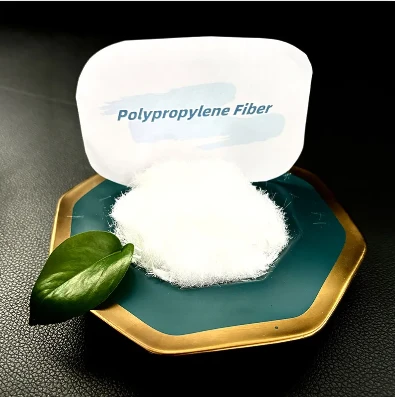
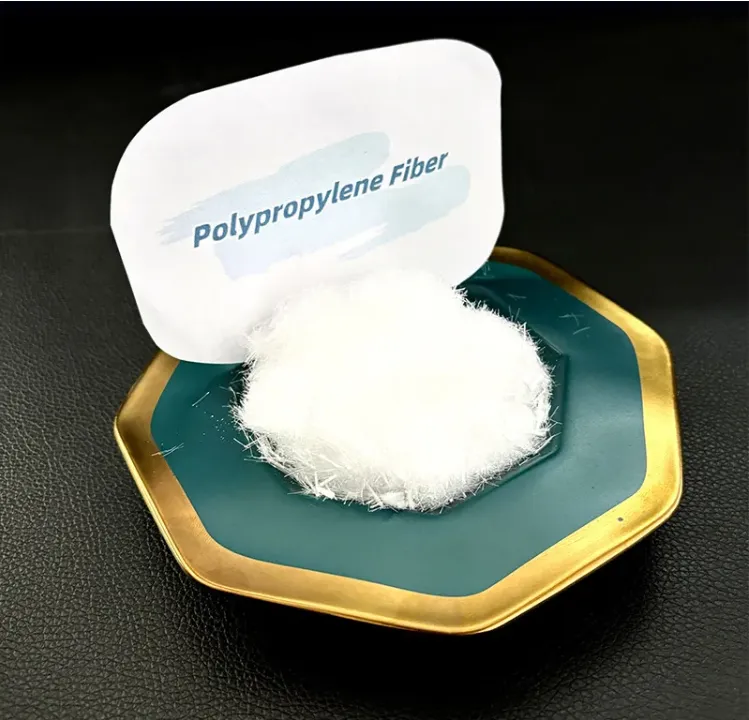
Polypropylene fiber ( PP fiber ) has transformed the synthetic fiber market with its remarkable tech -
 hpmc_thickener
Oct . 25, 2025
The construction industry constantly evolves to meet demands for better performance, enhanced effici - harga_pati_eter
Oct . 25, 2025
Understanding the intricacies of HPMC juice can elevate your experience with this innovative product


